Marine mammal
Harbor seal
Phoca vitulina
Coastal bays, rocky shores, and sandy haul-outs
Find locations for this species ↓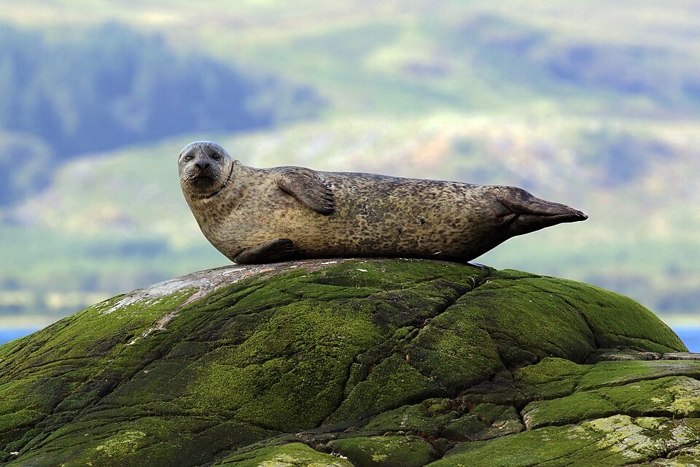
Photo: Charles J. Sharp · CC BY-SA 4.0 · Source and license. Displayed as a resized crop. Photograph illustrates the species.
- Habitat
- Coastal bays, rocky shores, and sandy haul-outs
- Viewing zone
- Surface & shoreline
- Viewing activities
- Offshore · Beach / tidepool
RECORDED PRESENCE
Where has Harbor seal been recorded?
These destination links use the same area and date cutoff as the map: 40 km circles, except for the four named regional rectangles. Checked 2026-09-19. Counts describe source records, not individual animals or sighting odds.
Channel IslandsCalifornia, United States40 km radius · 29 source records since 2016About this destination →Chesapeake BayVirginia & Maryland, United StatesRegional rectangle · 39 source records since 2016About this destination →La JollaCalifornia, United States40 km radius · 941 source records since 2016About this destination →Monterey BayCalifornia, United StatesRegional rectangle · 1597 source records since 2016About this destination →